

laminated glass and toughened glass
The Importance of Steel Bar Caps in Building Construction In the realm of construction, safety and durability are paramount. Among the various components that ensure structural integrity, steel bar caps play a vital role, particularly in reinforced concrete structures. These small yet significant accessories serve multiple purposes that enhance the overall performance of buildings. Steel bar caps, often referred to as rebar caps, are designed to protect exposed ends of reinforcing bars (rebar) in concrete structures. When concrete is poured, it encapsulates the rebar, providing tensile strength to the overall structure. However, there are instances where portions of rebar remain exposed due to design considerations or structural modifications. In such cases, steel bar caps become essential. One of the primary functions of steel bar caps is to ensure safety on construction sites. Exposed rebar can pose serious hazards to workers and pedestrians, leading to injuries from punctures or cuts. The caps cover the sharp ends of the rebar, minimizing the risk of accidents. This is especially crucial in urban environments where construction sites are often adjacent to public pathways and areas frequented by people. steel bar cap in building construction Moreover, steel bar caps contribute to the longevity of the construction. When rebar is left exposed to environmental elements, it can undergo corrosion due to moisture and other environmental factors. This corrosion weakens the rebar, ultimately jeopardizing the structural integrity of the building. By covering the ends of the rebar, steel bar caps provide a protective barrier, significantly reducing the likelihood of rust and deterioration over time. In addition to safety and protection, steel bar caps also serve an aesthetic purpose. In certain architectural designs, visible rebar can detract from the overall appearance of a structure . By using steel bar caps, builders can maintain a clean and polished look, ensuring that the final product aligns with design intent. Furthermore, steel bar caps facilitate compliance with building codes and regulations. Many local and national codes mandate that exposed rebar must be properly capped to ensure safety on construction sites. By adhering to these regulations, contractors can avoid potential fines and legal issues while promoting a culture of safety and diligence. In conclusion, steel bar caps are indispensable in building construction, providing safety, protecting against environmental damage, enhancing aesthetics, and ensuring compliance with regulations. As buildings continue to rise in complexity and scale, the role of these small but essential components will only grow in significance, reinforcing the commitment to both safety and quality in the construction industry.
about
laminated glass and toughened glass
The Importance of Choosing the Right Material for Welding Tables Welding is a precision skill that requires the right tools to produce quality work. Among these tools, the welding table is crucial as it serves as the foundation for many welding projects. When considering the construction of welding tables, one cannot overlook the importance of the material used. The right welding table should be robust, stable, and capable of withstanding the rigors of welding without compromising safety or quality. Material Properties of Welding Tables Welding tables are typically made from a variety of materials, with steel and aluminum being the most common choices. Each material has unique properties that cater to different welding needs. Steel, particularly mild steel, is a popular choice because of its affordable cost and effectiveness in a wide range of applications. Steel tables are strong and durable, providing a solid surface that can withstand high temperatures and heavy loads. Additionally, steel is relatively easy to weld, making repairs or modifications simple. On the other hand, aluminum tables are lighter, which can be an advantage in certain mobile or temporary welding setups. Aluminum also resists corrosion, which is beneficial in work environments that may involve moisture or chemicals. However, it is worth noting that aluminum welding requires special skills and techniques, as it behaves differently than steel during the welding process. Thickness and Design Considerations The thickness of the table material plays a significant role in its performance. A welding table should be thick enough to withstand the heat and weight of the workpieces without warping. Common thicknesses range from 1/4 inch to 1/2 inch for steel tables. Tables that are too thin may bend or deform under stress, which can lead to inaccurate welding and poor-quality joints. The design of the welding table itself is also vital. Many professionals opt for tables with built-in fixtures or slots that allow for easy clamping and positioning of workpieces. These features enhance efficiency and precision during the welding process. Some advanced tables even come equipped with adjustability to accommodate various project needs. welding tables should be made of Surface Treatment and Maintenance The surface treatment of a welding table is an often-overlooked aspect that can enhance its longevity and performance. A smooth surface finish reduces the likelihood of contaminants affecting the weld quality. Additionally, treatment options such as powder coating can provide extra protection against rust and wear. Maintaining a welding table is also crucial for its performance. Regular cleaning to remove slag, spatter, and other debris ensures that the surface remains conducive for precise welds. Neglecting maintenance can result in decreased accuracy and increased wear on tools and workpieces. Safety Considerations Safety is paramount in any welding operation. The material choice for welding tables must not only withstand high temperatures but should also be resistant to certain hazards. Steel tables, for instance, should be sourced from reputable suppliers to ensure that they do not contain harmful alloys that may release toxic fumes when heated. Furthermore, a properly grounded welding table minimizes the risk of electric shock. Adequate grounding helps disperse static electricity and enhances safety during the welding process. Operators should be aware of the grounding requirements and ensure their tables meet all safety standards. Conclusion In essence, choosing the right material for welding tables is a critical decision that impacts the quality of work produced. Steel and aluminum options each offer unique advantages, depending on the specific needs of a welding project. With the right thickness, thoughtful design, and proper maintenance, welding tables can significantly enhance the efficiency and safety of welding operations. Ultimately, investing in a high-quality welding table will contribute to achieving superior welding results and prolonging the lifespan of equipment and materials used in the process.
-

High quality industrial productsagement

High quality industrial products
View Details -

Meet the diverse needs of customers

Meet the diverse needs of customers
View Details -

Strict quality control

Strict quality control
View Details -

Top raw materials

Top raw materials
View Details -

Trusted supplier

Trusted supplier
View Details
Our application


news and information
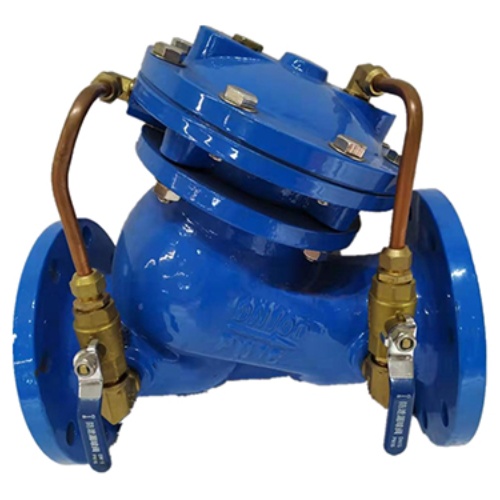
y Siebdampfabscheider
Der Y-Strainer ist ein wichtiges Bauteil in der industriellen Prozessindustrie, insbesondere in Damp
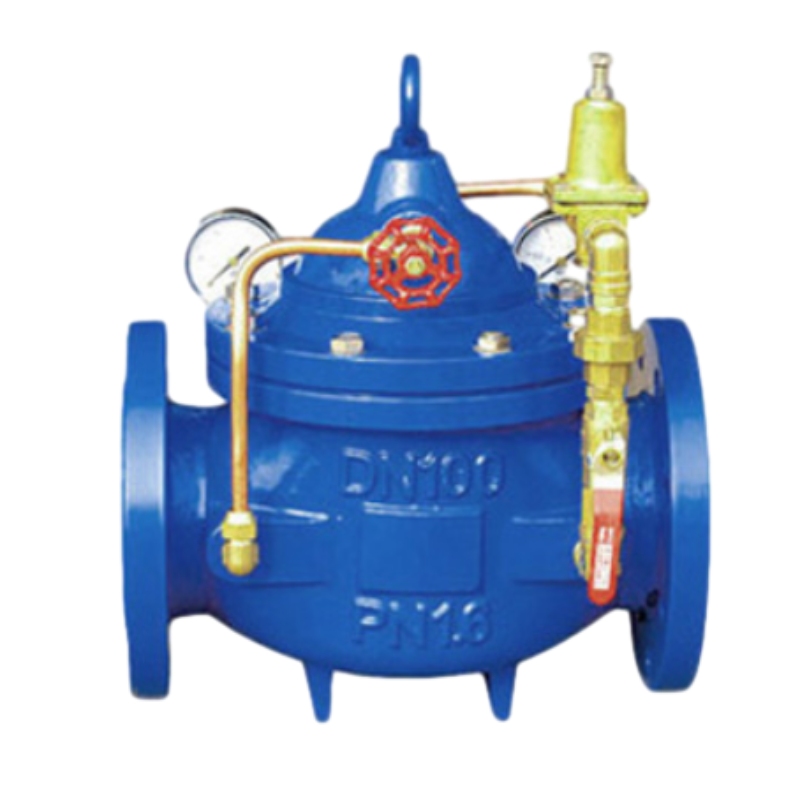
Vanne papillon à 4 % pour des applications industrielles et de contrôle de fluides efficaces
La Robinetterie Le Cas de La Papillon à Quatre Pourcents Les vannes sont des composants essentiels
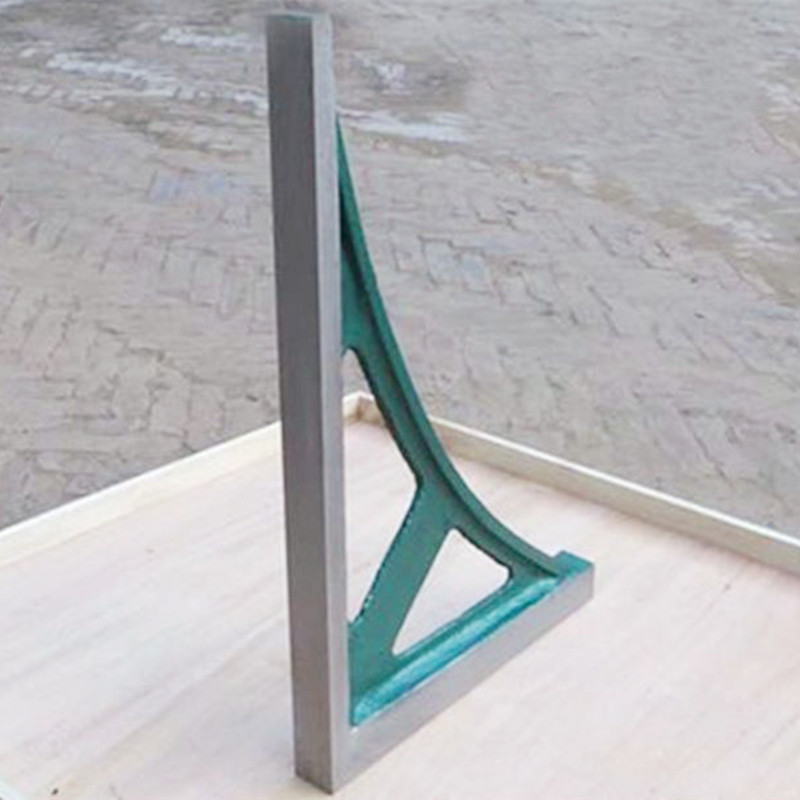
Vòng vít đo
Đồ đo độ dày của vòng và vít Công cụ thiết yếu trong ngành công nghiệp Trong ngành công nghiệp hiện
 English